N16 Flats: Moving Checklist for Chatsworth Road & Estates
Posted on 22/05/2026
Moving out of a flat in N16 can feel deceptively simple at first. Then the boxes start stacking up, the stairwell feels tighter than you remembered, and suddenly you are juggling key handover times, parking, furniture, cleaners, and that one awkward item that never quite fits through the door. This guide to N16 Flats: Moving Checklist for Chatsworth Road & Estates is built for exactly that moment.
Whether you are leaving a top-floor flat near Chatsworth Road, moving between estates, or helping a student, a couple, or a family settle into a new place, the aim is the same: keep the day calm, organised, and free from unnecessary drama. To be fair, a good move in N16 is rarely about speed alone. It is about planning, timing, access, and not underestimating the little details that turn into big delays.
Below you will find a practical, local-minded checklist that covers preparation, packing, building access, fragile items, cleaning, safety, and the kind of decisions that make the difference between a smooth move and a long, tiring one. You will also find useful internal resources on packing, lifting, storage, and specialist removals where they genuinely help.
Why N16 Flats: Moving Checklist for Chatsworth Road & Estates Matters
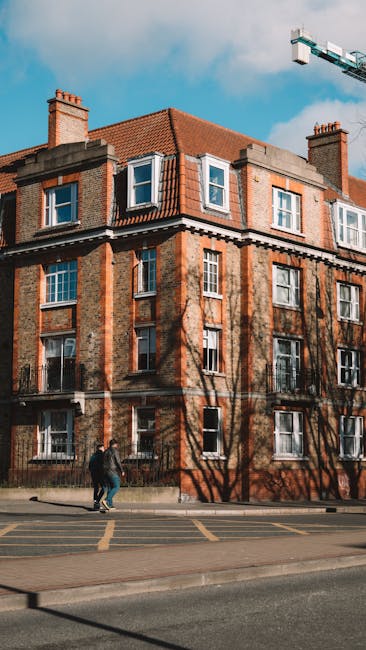
N16 has its own moving personality. Flats around Chatsworth Road and nearby estates often involve tighter entrances, shared hallways, stair-only access, limited parking, and a steady stream of neighbours coming and going. That changes the game. A checklist is not just a nice extra; it is the thing that keeps your move from becoming a series of rushed guesses.
The main reason this matters is simple: flat moves have more moving parts than people expect. You may need to coordinate lift access, protect walls in communal areas, arrange timed parking, and decide whether certain items should be taken apart before moving day. If your building has narrow staircases, there is very little room for improvisation. We covered this kind of challenge in more detail in our guide to narrow staircase removals in Stamford Hill, and the same logic applies here.
There is also a practical side to local moves that people sometimes overlook. A flat move is not only about getting belongings from A to B. It often includes end-of-tenancy cleaning, final meter checks, lift bookings, and making sure your deposit is not put at risk because a cupboard was left dusty or a scuffed wall was not reported. A proper checklist helps you stay ahead of that chain reaction.
Key idea: in a flat move, small admin tasks can be just as important as heavy lifting. Miss one, and the whole day can feel off balance.
How N16 Flats: Moving Checklist for Chatsworth Road & Estates Works
The checklist works best when you think in stages rather than one giant moving day. That is the trick, really. Instead of seeing the move as a single event, break it into preparation, packing, access planning, transport, unloading, and final clean-up.
Here is the basic rhythm:
- Assess your flat and access points. Measure doorways, stairs, landings, and any awkward corners.
- Sort and declutter. Keep only what you genuinely want to move.
- Pack by room and priority. Label clearly, and keep essentials separate.
- Book the right help and vehicle. A man and van in Stamford Hill can suit smaller flat moves, while larger homes or fuller loads may need more support.
- Protect building surfaces and furniture. Think blankets, wraps, floor protection, and corner guards.
- Move methodically on the day. Start early, keep clear pathways, and load the van with purpose.
- Finish with checks. Take meter readings, clean, lock up, and do one final sweep.
In practical terms, this approach reduces the chance of forgotten items and last-minute stress. It also helps you make sensible decisions if something unexpected crops up, like a blocked loading bay or a wardrobe that will not turn the corner. That happens more often than people admit. Life, eh?
If you are still at the packing stage, you may find our packing guide for moving house useful alongside packing and boxes in Stamford Hill, especially if you are trying to keep everything organised without overbuying supplies.
Key Benefits and Practical Advantages
A good moving checklist does more than tick boxes. It gives you control. And when you are moving out of a flat, control is worth its weight in bubble wrap.
- Less last-minute panic: you know what has been packed, what is still live, and what needs attention.
- Better protection for belongings: fragile items, electronics, and furniture are handled in the right order.
- Lower risk of damage: careful planning helps prevent scratched walls, broken handles, and crushed boxes.
- More efficient loading: a logical loading plan saves time and reduces back-and-forth.
- Cleaner handover: you are more likely to leave the flat in a condition that supports a smooth end-of-tenancy process.
- Less physical strain: when items are prepped properly, the move is easier on your body.
There is also a mental benefit that people often underestimate. A move can feel noisy and relentless: tape ripping, kettle boiling for the hundredth time, the faint smell of cardboard, somebody asking where the keys are. A checklist gives the whole process a spine. You can look at it and think, right, we are on track.
If your move includes bulky items, the right guidance helps a lot. For example, a mattress or bed frame should be prepared differently from books or clothes, and it pays to read how to move a bed and mattress properly before the day arrives.
Who This Is For and When It Makes Sense
This checklist is for anyone moving out of, into, or between flats in N16, especially around Chatsworth Road and nearby estates where access can be tight and logistics matter. It is especially useful if you are:
- a tenant preparing for an end-of-tenancy move;
- a homeowner downsizing into a flat;
- a student leaving shared accommodation;
- a family moving from a maisonette or estate flat;
- someone with a narrow staircase, no lift, or awkward parking;
- moving valuable, fragile, or heavy furniture;
- trying to coordinate same-day collection and drop-off.
It also makes sense if you are not sure whether you need a full removals team or a smaller vehicle. In many cases, flat moves are perfectly suited to flexible support. Our flat removals service in Stamford Hill is a natural fit for this kind of move, while a smaller removal van in Stamford Hill can work well for lighter loads.
Truth be told, if you are moving from a top-floor flat with a sofa, bed, freezer, and two bookcases, you are in a different category from someone carrying ten boxes and a clothes rail. The checklist helps you identify which category you are really in.
Step-by-Step Guidance
Here is the practical version. Not the glamorous version. The one that gets you through the move with fewer surprises.
1. Start with the flat itself
Walk through each room and note what needs to go. Measure large items against doorways and stair turns. Check whether the route from the flat to the street is clear enough for furniture to pass without scraping walls or knocking railings. If your building has awkward corners, plan for turning space before the van arrives.
2. Declutter before you pack
Do not pay to move things you no longer want. Old cables, duplicate kitchen bits, broken storage boxes, and "just in case" items add weight without value. If you want a practical approach to reducing load, this decluttering guide for moving house is a smart place to start.
3. Pack room by room
Keep each room's items together where possible. Label the box on two sides, not just the top, because boxes get stacked in real life, not in neat little rows. Mark fragile items clearly, but do not overpack them. A heavy box of books with a fragile sticker on top is still a heavy box of books.
4. Set aside essentials separately
Put your first-night items in a bag or clearly marked box: medication, chargers, toiletries, tea bags, kettle, toilet paper, keys, documents, and a change of clothes. That box should not disappear into the van. Keep it with you.
5. Protect awkward and valuable items
Furniture needs wrapping, TVs need proper protection, and delicate items may need special handling. If you have a piano, do not wing it. Really, do not. Piano moving is not a DIY job for good reason, and specialist support such as piano removals in Stamford Hill is usually the wiser route.
6. Plan loading order
Load the heaviest, sturdiest items first, then stack lighter boxes and softer items around them. Think in layers. Softer items can help stabilise the load, while fragile boxes should sit where they will not be crushed. If in doubt, a careful loading order is better than trying to squeeze one more thing into a space that is already full.
7. Handle lifting safely
Use your legs, not your back, and do not twist while carrying weight. If you are moving awkward items yourself, a refresher on kinetic lifting basics and safe solo lifting can help you avoid the sort of twinge that ruins the rest of the day.
8. Clean and check before you hand back the keys
Once the van is loaded, do one final walk-through. Check cupboards, meters, loft spaces, and behind doors. If you are leaving a rented property, a proper clean helps avoid avoidable disputes, so take a look at these end-of-tenancy cleaning steps.
Expert Tips for Better Results
A few practical habits make a huge difference on flat moving day. They are not fancy, just effective.
- Label by room and urgency. "Kitchen - open first" is better than just "kitchen".
- Keep screws and fittings taped to the furniture they belong to. A small zip bag can save an evening of head-scratching.
- Use a photo before dismantling. It sounds obvious, then moving day arrives and suddenly nothing is obvious.
- Reserve parking or check access in advance. In busy parts of N16, that can be the difference between a tidy move and a very long walk with a wardrobe.
- Protect common areas. Hallways and stairwells in estates can suffer quickly from scuffs and marks.
- Keep children and pets out of the flow. Not because they are trouble, just because moving day is hectic and unpredictable.
A small but useful tip: pack a kettle, mugs, tea, and a cloth in the same "first hour" box. The first cup of tea in a new flat, with daylight coming through a half-empty room, can be weirdly grounding. Very British. Very necessary.
If you are storing a sofa, freezer, or other bulky item between moves, the right prep matters too. Our guides on protecting a couch in storage and storing a freezer when not in use are worth reading before you shut anything away for weeks.

Common Mistakes to Avoid
Most moving headaches are preventable. The awkward part is that people usually only realise this after the van has arrived. Here are the mistakes that show up again and again.
- Leaving packing until the night before. That turns a controlled move into a scramble.
- Underestimating access. A flat that looks simple from the street may involve three tight turns and a steep staircase.
- Overfilling boxes. Heavy boxes are harder to carry and far more likely to split.
- Ignoring special items. Freezers, beds, mirrors, and pianos need planning, not optimism.
- Forgetting cleaning time. The last 45 minutes always go faster than you think.
- Not checking the weather. Rain and wet pavements can slow everything down, especially with communal entrances.
- Failing to confirm arrival windows. If help is booked, know exactly when it is coming and what access is needed.
One common oversight in flat moves is assuming every item can be carried the same way. That is not how it works. A kettle, a freezer, a sofa, and a book box each ask something different from the person moving it. If you want to know more about safer handling, our guide to kinetic lifting gives a clear overview.
Tools, Resources and Recommendations
You do not need a warehouse of kit to move well, but a few basics make the job much easier. Keep it simple and practical.
| Tool or Resource | Why It Helps | Best Used For |
|---|---|---|
| Strong cardboard boxes | Safer stacking and better organisation | Books, kitchenware, clothing, general household items |
| Packing tape and labels | Keeps boxes secure and easy to identify | Room-by-room packing and fragile marking |
| Furniture blankets and wrap | Helps protect surfaces from scuffs and knocks | Sofas, tables, wardrobes, appliances |
| Trolley or sack truck | Reduces strain and speeds up heavier items | Boxes, appliances, stacked items |
| Toolkit and small bags for fixings | Prevents lost screws and makes reassembly easier | Beds, shelving, desks, flat-pack furniture |
| Removals support | Useful for heavier or awkward moves | Flat moves, shared access properties, specialist items |
If you need a little extra support, start by reviewing the full services overview and then compare options such as removals in Stamford Hill, house removals, or student removals depending on the size and type of move.
Law, Compliance, Standards, or Best Practice
Moving a flat does not usually involve complex legal steps, but there are still important duties and norms to respect. In the UK, the exact expectations may vary depending on your tenancy, lease, building management rules, and the removal service you choose. So it is sensible to check the paperwork rather than assume.
Common best-practice points include:
- giving notice in line with your tenancy agreement;
- booking lift or loading access where required;
- protecting shared spaces and avoiding damage to communal areas;
- confirming insurance cover for the move where relevant;
- following safe lifting practices if you are handling items yourself;
- keeping personal data secure during the move.
If you are using a removals provider, ask about insurance and safety arrangements before the move. It is not a fussy question. It is a sensible one. You can also read more about the company's approach to insurance and safety and review the health and safety policy for a clearer picture of how work is handled.
For payment-related peace of mind, it also helps to check payment and security information before confirming anything. That way, there are fewer surprises later on.
Options, Methods, or Comparison Table
There is no single right way to move a flat. The best approach depends on the size of the property, the furniture involved, and how much time you have. Here is a simple comparison to help you choose.
| Method | Best For | Pros | Trade-offs |
|---|---|---|---|
| DIY move with a rented van | Very small loads, short distances | Budget-friendly, flexible | High physical effort, more risk, slower if access is awkward |
| Man and van service | One- or two-bedroom flats, moderate loads | Practical, efficient, easier for tight streets | May still need you to pack and organise everything well |
| Full removals team | Larger moves, heavy furniture, complex access | Less strain, more support, better for bulky items | Usually more expensive than a smaller service |
| Specialist item service | Pianos, fragile antiques, oversized items | Safer handling, better equipment, reduced damage risk | Only covers selected items, not the whole house move |
For many N16 flat moves, the sweet spot is a flexible service that can handle access challenges without overcomplicating the job. A man with a van in Stamford Hill often works well for that middle ground, especially if you are moving from an estate flat with limited parking or a walk-up staircase.
Case Study or Real-World Example
A typical example: a two-bedroom flat near Chatsworth Road, second floor, no lift, shared entry, and a parking space that cannot be guaranteed. The move includes a bed frame, mattress, dining table, sofa, freezer, several boxes of books, and a couple of mirrors. Nothing outrageous, but enough to cause trouble if it is not planned properly.
In a move like that, the most useful steps are usually these:
- measure the staircase and the largest furniture pieces before moving day;
- dismantle the bed and table in advance;
- wrap the sofa and mirrors carefully;
- book the vehicle for an early arrival to avoid street congestion;
- keep heavy boxes light enough for one person to manage safely;
- reserve the final hour for cleaning and flat inspection.
The move then becomes manageable instead of frantic. The freezer goes first or last depending on access. The bed frame is reassembled without missing screws because the fittings were taped into a labelled bag. The sofa makes it through the stairwell because it was measured properly before anyone started lifting. Small wins. But they add up.
This kind of planning is also where specialist guidance pays off. If you have awkward furniture, read about furniture removals in Stamford Hill before deciding how much you want to tackle yourself.
Practical Checklist
Use this as a simple working checklist in the days leading up to the move. Print it, copy it into your notes, or tick it off on your phone. Whatever works.
- Confirm moving date, access times, and key handover details.
- Check whether the building needs advance notice for moving access.
- Measure stairways, door frames, and any awkward turns.
- Reserve parking or loading space if needed.
- Sort items into keep, donate, recycle, and discard piles.
- Book packing supplies early.
- Pack room by room and label clearly.
- Prepare a first-night essentials box.
- Disassemble large furniture where sensible.
- Protect fragile and valuable items with suitable wrapping.
- Arrange help for heavy or awkward lifting.
- Confirm the removals vehicle size matches the load.
- Take photos of valuable items before transit if helpful.
- Keep documents, keys, and chargers with you.
- Read meter numbers before leaving.
- Do a final sweep of cupboards, loft spaces, and behind doors.
- Clean the property and remove rubbish.
- Check the new flat for access, utilities, and any immediate issues.
Expert summary: the best flat moves in N16 are usually the ones that look boring from the outside. Everything is measured, labelled, wrapped, and confirmed. Nothing dramatic. Just a steady sequence of sensible choices, and that is exactly what you want.
Get a free quote today and see how much you can save.
Conclusion
Moving a flat in Chatsworth Road or the wider N16 area is rarely about brute force. It is about reading the building, planning the route, protecting your belongings, and giving yourself enough time to do things properly. With the right moving checklist, a tricky flat move becomes a sequence of manageable tasks rather than one overwhelming day.
If you keep the access details close, pack with intention, and choose the right level of help for your load, you will avoid most of the stress that catches people out. And if something does become awkward, that is normal too. Flats are like that. A bit cramped, a bit unpredictable, but perfectly manageable with the right plan.
Take it step by step, keep the tea brewing, and remember: a calm move is usually the result of work done before anyone even picks up a box.