Stamford Hill Road Moves: Narrow-Staircase Removal Tips
Posted on 26/05/2026
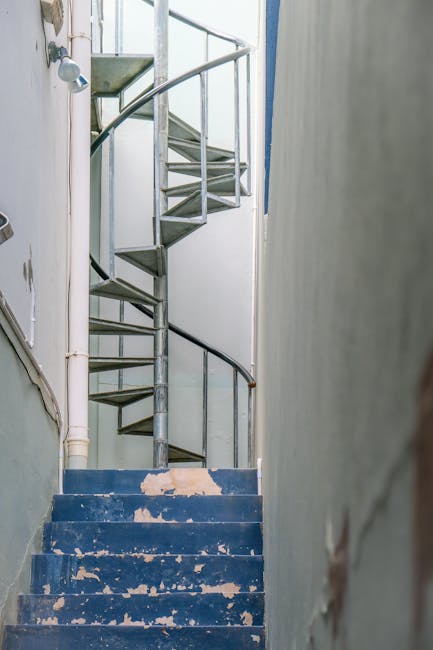
Moving out of a home with a tight stairwell can turn a straightforward removal into a careful, technical job. On Stamford Hill Road, narrow staircases, awkward turns, old bannisters, and limited landing space can all make furniture removal more difficult than expected. That is exactly why Stamford Hill Road Moves: Narrow-Staircase Removal Tips matter: they help you protect your belongings, avoid damage, and keep the move controlled from the first box to the final piece of furniture.
This guide walks through the practical side of moving in confined spaces. You will learn how to plan ahead, what to measure, which items need special handling, and when it makes sense to bring in extra help. If you are dealing with a flat move, a house move, or even a single awkward item, a little preparation goes a very long way. Truth be told, stairs are rarely the problem on their own - it is the combination of stairs, time pressure, and bulky items that creates the drama.
We will also point you towards helpful related resources, including decluttering before moving house, packing for your next move, and the basics of kinetic lifting, so you can connect the staircase strategy to the rest of the move.
![A narrow outdoor alleyway between two brick buildings, featuring a stone staircase leading upward toward a black gate. The alley is paved with concrete slabs, with some small, irregular stones near the edges. On the left side, a black metal handrail runs along the staircase, and a black lantern-style outdoor light is mounted on the brick wall. Red and green foliage, including a small plant in a flowerpot, decorates the left wall near the lantern. On the right side, the brick wall has black exterior piping and a shuttered window. At the top of the stairs, lush greenery and climbing plants partially obscure a tall brick wall and a black gate. This setting reflects a typical urban house front or back access point, commonly seen in residential areas where local removals services from [COMPANY_NAME] might prepare for furniture transport or home relocation projects, aligning with the topic of Stamford Hill Road moves and staircase removal tips.](/pub/blogphoto/stamford-hill-road-moves-narrowstaircase-removal-tips1.jpg)
Why Stamford Hill Road Moves: Narrow-Staircase Removal Tips Matters
Narrow staircases change the entire moving process. A sofa that would easily pass through a hallway can become impossible to turn at the top of a stairwell. A bed frame may need to be split down further than expected. A fridge, washing machine, or wardrobe can become a two-person lift with a very small margin for error.
On streets like Stamford Hill Road, where properties can include older conversions, maisonettes, and flats with compact access, the risk is not just inconvenience. Poor planning can mean scraped walls, damaged furniture, broken light fittings, and avoidable strain injuries. It can also slow the move enough to affect parking arrangements and building access windows.
There is also a financial angle. A badly managed removal may cost more because it takes longer, needs extra labour, or leads to replacement and repair work. By contrast, a careful approach can make a move calmer, quicker, and safer. If you want a broader sense of how this fits into a smooth relocation, it is worth reading the guide to a stress-free house move alongside this article.
Bottom line: narrow stairs are not a small detail. They are often the main constraint that should shape every other moving decision.
How Stamford Hill Road Moves: Narrow-Staircase Removal Tips Works
A good staircase move is built around three things: measurement, sequence, and protection. First, you check whether the item can physically fit through the space. Then you decide the order in which objects should come out. Finally, you protect both the item and the property as you move.
The process usually starts before moving day. You identify the narrowest point in the route - often a bend, landing, or doorway at the top of the stairs - and compare that with the dimensions of the item. For larger items, you may need to remove legs, doors, handles, cushions, or headboards. In some cases, a piece may need to be carried vertically, tilted, or wrapped in a way that improves grip and reduces snagging.
This is where experience matters. Professional movers do not just "push harder." They think about angles, weight distribution, hand placement, and how to protect the stair edges. They also know when to pause rather than force a movement. That patience is what saves damage.
For bulky furniture, the process often overlaps with other specialist tasks. A sofa may need the same careful handling as the advice in our couch storage and protection guide, while a bed may benefit from the practical approach in moving beds and mattresses efficiently.
Key Benefits and Practical Advantages
Doing narrow-staircase removals properly gives you more than just peace of mind. It creates tangible advantages during the move itself and in the days after.
- Less risk of damage: careful handling reduces scuffs, dents, chipped paint, and torn upholstery.
- Safer lifting: correct technique lowers the chance of back strain, finger injuries, and trips on the stairs.
- Faster loading: when each item has a clear route, you avoid stop-start confusion.
- Better use of labour: the right number of people can handle the move without overcomplication.
- Cleaner handover: less wall contact and fewer accidental marks make end-of-tenancy cleaning easier.
- Lower stress: predictable movement through tight spaces keeps the day under control.
One practical benefit is often overlooked: better staircase planning can prevent bottlenecks. If the item at the front is awkward, everything behind it waits. A good plan keeps the whole move flowing. That is especially helpful when parking is limited or when you only have a short slot for access.
You may also find that removing fewer items through the stairs at all makes sense. For example, if you have already decluttered effectively, you may avoid the worst congestion altogether. A useful companion read here is decluttering before moving house.
Who This Is For and When It Makes Sense
This approach is relevant to a wide range of moves, but it is especially useful if you are in any of these situations:
- moving from a flat on an upper floor with a tight internal staircase
- handling a period property with narrow turns and low headroom
- moving large furniture such as wardrobes, sofas, bed frames, or appliances
- working with limited time, parking pressure, or shared building access
- trying to move on your own or with just one helper
- needing a careful move for fragile or valuable items
It also makes sense for students, tenants, first-time movers, and anyone trying to keep costs under control. A smaller move can still become unexpectedly complicated if one item does not fit the stairs. In those cases, local support such as man and van services in Stamford Hill or flat removals in Stamford Hill can be a practical option.
And yes, sometimes it is the awkward item you least expect. A mirror, a mattress, or a dining table base can create the real headache while the rest of the move runs smoothly.
Step-by-Step Guidance
If you want the move to go well, treat the staircase as a project in its own right. Here is a sensible sequence to follow.
- Measure the route first. Check the width of stair treads, the landing depth, the turn at the top, and the narrowest doorway. Measure your biggest items too, including diagonal dimensions.
- Identify anything that can be dismantled. Remove table legs, wardrobe doors, bed slats, and sofa feet where possible. Keep screws and fittings in labelled bags.
- Clear the staircase completely. Shoes, mats, pictures, coat stands, and loose objects all become hazards. The stairs should be empty before lifting starts.
- Protect the property. Use furniture blankets, corner protectors, and door guards. If a wall is especially exposed, add temporary padding.
- Plan the carrying order. Move the largest and hardest items when everyone is fresh. Save smaller boxes for later.
- Assign clear roles. One person leads, one supports, and one watches for obstacles. Nobody should guess the next move halfway through a turn.
- Use slow, agreed commands. Simple words like "stop," "up," "down," and "turn" reduce confusion.
- Test the angle before committing. Often the item needs a slight rotation or tilt that is not obvious until it is on the stairs.
- Pause if the space tightens. If the item catches or scrapes, step back and reset. Forcing it rarely ends well.
- Load the vehicle logically. Put the largest awkward pieces in first so the van can be packed around them efficiently.
For moving techniques that support this process, heavy object lifting advice and packing tips are both useful companions.
Expert Tips for Better Results
Small decisions make a big difference in narrow staircases. These are the details that experienced movers tend to get right.
1) Strip furniture down earlier than you think
Most people wait too long to dismantle pieces. That creates rush and clutter on the day. Do it the evening before, or even sooner if the furniture is not in daily use.
2) Use the right wrap for the right item
Soft blankets are ideal for protecting corners and painted edges. Stretch wrap can help keep drawers or cushions in place, but it should not be overused on delicate finishes. A careful wrap keeps dirt off without trapping moisture.
3) Protect stair edges before the heavy lifting starts
Even a small scrape on a corner can become a bigger repair job. Padding the critical points takes minutes and can save a lot of hassle later.
4) Keep box weights sensible
Heavy boxes are harder to manoeuvre on stairs, especially if the landing is cramped. Books, for example, should be split into smaller cartons rather than loaded into one overfull box.
5) Think about the weather
Wet shoes, rain, and muddy entrances make stair moves less safe. A simple mat and a towel by the door help keep grip and reduce mess.
6) Match the plan to the item
A piano, for instance, is not a larger version of a suitcase. It needs specialist handling, protective equipment, and a route that has been checked carefully in advance. If you are moving one, start with why piano moves are rarely a DIY job and consider the dedicated piano removals service in Stamford Hill.
Common Mistakes to Avoid
The biggest staircase mistakes are usually simple, which is what makes them so frustrating. They are easy to prevent if you know what to look for.
- Skipping measurements: guessing the fit almost always causes delay.
- Leaving dismantling too late: last-minute disassembly creates clutter and stress.
- Using too few people: one person trying to "just help a little" can actually make the lift less stable.
- Ignoring the landing turn: many items fit on the stairs but fail at the corner.
- Failing to protect surfaces: paintwork and bannisters are vulnerable where the item pivots.
- Overpacking boxes: this is a common cause of slips and dropped loads.
- Rushing the final descent: the last few steps are often where control is lost.
Another easy mistake is assuming that strength alone solves the problem. It does not. In narrow access moves, technique and coordination matter more than raw effort. That is why articles like understanding kinetic lifting are useful even for people who already consider themselves "good at moving heavy stuff."
Tools, Resources and Recommendations
You do not need a van full of specialist kit to handle a staircase move, but the right tools make the job much safer and cleaner.
| Tool or resource | Why it helps | Best used for |
|---|---|---|
| Furniture blankets | Protects surfaces from knocks and scrapes | Sofas, tables, wood furniture |
| Stretch wrap | Helps secure loose parts during transit | Drawers, cushions, shelving components |
| Gloves with grip | Improves control and reduces slippage | General carrying and corner turns |
| Corner protectors | Reduces wall damage at tight turns | Hallways, landings, stair edges |
| Toolkit | Allows fast dismantling and reassembly | Beds, wardrobes, tables, rails |
| Furniture dolly or sack truck | Useful on flat surfaces and for loading | Ground-floor runs and vehicle loading |
If you need packing materials, packing supplies in Stamford Hill can help keep the process organised. If you are dealing with storage as part of the move, there is also useful guidance in storage options in Stamford Hill.
For a broader service overview, the main removals services page is a helpful starting point, especially if you are comparing support levels.
Law, Compliance, Standards, or Best Practice
Most staircase removals are not heavily regulated in the way construction work might be, but there are still important duties and expectations around safety, access, and care. In the UK, movers should work with reasonable care to avoid property damage and personal injury, and they should follow sensible manual handling practices.
For homeowners, tenants, and landlords, it is wise to check building access rules, lease conditions, and any parking or loading restrictions before moving day. In some blocks, lifts, corridors, or communal areas may need prior approval to be used. If that applies, get permission early rather than trying to sort it out when the van is already outside.
From a best-practice point of view, the key principles are straightforward:
- do not lift beyond safe limits
- use enough people for the weight and shape involved
- keep access routes clear
- protect the property before contact happens
- pause the move if conditions become unsafe
Reputable moving firms usually carry relevant insurance and follow internal safety policies. It is sensible to review insurance and safety information before booking, and to understand the company's health and safety approach. If you are comparing providers, you may also want to see how they handle full removals in Stamford Hill and whether they can adapt to difficult access.
Options, Methods, or Comparison Table
Not every staircase move needs the same level of support. The right method depends on item size, staircase shape, time pressure, and how much help you already have.
| Approach | Best for | Advantages | Limitations |
|---|---|---|---|
| DIY with one helper | Small flats, light furniture, short moves | Lowest upfront cost | High effort, more risk with awkward pieces |
| DIY with several helpers | Medium moves where coordination is strong | More control and flexibility | Needs good communication and planning |
| Man and van support | Local moves, mixed item sizes, limited parking | Practical balance of help and value | May still require dismantling or special handling |
| Full removals service | Large homes, heavy furniture, tight access | Most complete support, less physical strain | Typically higher cost than partial help |
For many Stamford Hill Road moves, the sweet spot is a flexible service that can adapt to tight access without overcomplicating the booking. If you only need help with transport and carrying, a man with a van in Stamford Hill may be enough. If the staircase is especially restrictive, a house removals team might be the safer route.
Case Study or Real-World Example
Imagine a typical upper-floor flat on Stamford Hill Road: two bedrooms, a sofa, a mattress, a small dining table, and a few appliances. The staircase is narrow, the landing is just big enough for one person to stand comfortably, and the walls have already taken a few knocks from previous moves.
The move succeeds not because the team is unusually strong, but because the plan is sensible. First, the bed frame is dismantled. The sofa cushions are removed, and the sofa is wrapped to keep the corners tidy. Boxes are reduced in size so they are easier to grip. A quick walkthrough of the staircase identifies the tightest turn, and padding is added before lifting begins.
On moving day, the heaviest item is taken first while everyone is fresh. The lead mover gives short instructions, and the others keep the pace steady. When the landing turns out to be tighter than expected, the team pauses, adjusts the angle, and continues. No one tries to muscle the sofa around the corner in one go - which, let's face it, is exactly how walls get marked.
The result is a quieter, quicker move with less strain and no damage claims. That is what good staircase planning looks like in real life: calm, repetitive in the best way, and slightly less dramatic than people fear.
Practical Checklist
Use this checklist to prepare for a narrow-staircase move on Stamford Hill Road.
- Measure stair width, landings, doorways, and the largest furniture pieces
- Identify items that need dismantling before moving day
- Label screws, fittings, and small parts clearly
- Clear hallways, stairs, and entrances of loose items
- Protect walls, corners, bannisters, and door frames
- Pack heavy items into smaller boxes
- Keep essentials separate for quick access after arrival
- Check parking and loading arrangements in advance
- Confirm the number of helpers needed for the heaviest items
- Review insurance, safety, and service details before booking
- Prepare a backup plan for any item that might not fit
- Keep water, gloves, and basic tools close to hand
If you want to make the whole day calmer, it helps to think beyond the stairs and look at the move as a sequence. That broader approach is explored well in pre-move cleaning steps and packing guidance.
Conclusion
Narrow staircases do not have to derail a move. With the right measurements, the right order, and the right amount of care, even a tight Stamford Hill Road property can be moved safely and efficiently. The big wins come from simple habits: dismantle early, protect surfaces, assign roles clearly, and never force an awkward piece through a space that is obviously too tight.
Whether you are moving a single sofa, a full flat, or a fragile item that needs specialist attention, the smartest next step is to plan around the staircase instead of treating it as an afterthought. That small shift in thinking usually saves time, stress, and money.
Get a free quote today and see how much you can save.
To explore local support, compare service options, or get help with a difficult access move, start with the Stamford Hill removals pages and choose the level of assistance that fits your property and your timeline.
![A narrow outdoor alleyway between two brick buildings, featuring a stone staircase leading upward toward a black gate. The alley is paved with concrete slabs, with some small, irregular stones near the edges. On the left side, a black metal handrail runs along the staircase, and a black lantern-style outdoor light is mounted on the brick wall. Red and green foliage, including a small plant in a flowerpot, decorates the left wall near the lantern. On the right side, the brick wall has black exterior piping and a shuttered window. At the top of the stairs, lush greenery and climbing plants partially obscure a tall brick wall and a black gate. This setting reflects a typical urban house front or back access point, commonly seen in residential areas where local removals services from [COMPANY_NAME] might prepare for furniture transport or home relocation projects, aligning with the topic of Stamford Hill Road moves and staircase removal tips.](/pub/blogphoto/stamford-hill-road-moves-narrowstaircase-removal-tips3.jpg)