When Your Staircase Is Too Tight: Stamford Hill Solutions
Posted on 10/06/2026
When Your Staircase Is Too Tight: Stamford Hill Solutions for Awkward Moves
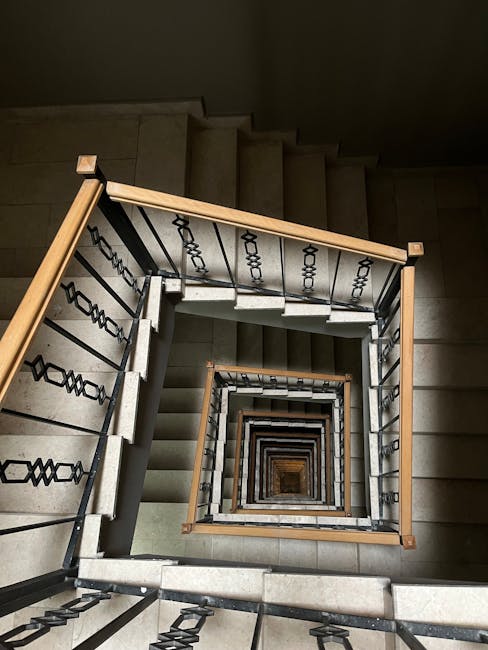
If you have ever stood at the bottom of a narrow stairwell, looked at a sofa, mattress, piano, or washing machine, and thought, "No chance," you are not alone. Tight staircases are one of the most common reasons a move suddenly becomes complicated. In Stamford Hill, where flats, maisonettes, older terraced homes, and converted buildings often come with awkward access, the problem is even more familiar than most people expect. This guide to When Your Staircase Is Too Tight: Stamford Hill Solutions walks you through what actually works, what to avoid, and how to keep the move calm rather than chaotic.
You will find practical advice on measuring access, choosing the right moving method, protecting your walls and belongings, and deciding when specialist help makes more sense than a DIY attempt. To be fair, the staircase is rarely the only issue; often it is the turn at the landing, the low ceiling, or that one overconfident "we'll just tilt it a bit" moment. Let's make sure you do not end up there.

Why When Your Staircase Is Too Tight: Stamford Hill Solutions Matters
A staircase that is too narrow is not just inconvenient. It can create a chain reaction of problems: scratched paint, bent handrails, damaged furniture, strained backs, blocked exits, and a move that takes three times longer than planned. A piece that looks manageable in the hallway can become impossible the moment you meet the first corner.
In Stamford Hill, this matters because access is often the hidden variable. Many properties have steep stairs, compact landings, awkward turns, or limited front-door space. Even when the furniture itself is small enough in theory, the route may not be. That is why moving is not really about "lifting something heavy" so much as solving a space problem with care.
There is also a trust issue here. If a mover says "yes" without checking measurements, that is not confidence; it is guesswork. A proper approach starts with the staircase itself: width, height, landing space, ceiling angles, banisters, and the path from room to van. In our experience, the jobs that go smoothly are the ones where someone took five minutes to measure properly before moving day. Five minutes can save an afternoon. Sometimes more.
For people planning a flat move, a whole-house move, or even a single bulky item relocation, a sensible starting point is to review the wider service structure on the services overview page and the more specific furniture removals in Stamford Hill option, especially if the item needs careful handling through a tight stairwell.
How When Your Staircase Is Too Tight: Stamford Hill Solutions Works
The process is less dramatic than people imagine, but it is precise. First, the item and the route are assessed together. That means measuring the furniture, the stair width, the turning points, and any obstacles such as bannisters, radiators, window ledges, or low ceilings. Then you work out whether the item can be moved in one piece, angled, partially disassembled, or taken by an alternative route.
If the staircase is tight but still workable, the move may rely on technique rather than brute force. Moving furniture on a narrow staircase often means controlled tilting, coordinated lifting, protective wrapping, and slow communication between the people carrying it. No rushing. No "just send it." That is how things get knocked, pinched, or dropped.
Some items, though, should not be forced through. A sofa with rigid arms, a king-size bed frame, a piano, or a fridge-freezer may need partial dismantling, specialist handling, or a different moving plan. This is where a local service with the right van, tools, and experience becomes valuable. If you are comparing options, the dedicated man with a van in Stamford Hill and man and van Stamford Hill pages are a useful place to start, particularly for smaller moves with access challenges.
A good solution also includes protection. Stair corners, bannisters, banisters, door frames, and flooring should be covered before the heavy item begins to move. That small preparation makes a big difference. You can hear the difference too: less scraping, less thudding, less of that grim little sound that makes everyone wince.
Key Benefits and Practical Advantages
When a staircase is too tight, choosing the right solution is not only about getting the item from A to B. It is about reducing risk, saving time, and keeping control of the day.
- Less damage: narrow stair moves are most likely to cause chips, scuffs, and pinched corners. A better plan protects the property and the item.
- Lower injury risk: awkward lifts and twisting on stairs are exactly the kind of movements that can strain backs, shoulders, and knees.
- Faster moving day: once the access plan is clear, the job tends to move in a steadier rhythm.
- Less stress: you are not standing on the landing wondering whether the wardrobe is now permanently wedged sideways.
- Better decision-making: sometimes the best solution is not to force the item, but to dismantle, store, or move it another way.
There is a useful knock-on effect too. When the staircase problem is solved properly, everything else usually feels easier: packing, timing, van loading, and even the final clean-up. If the move is part of a bigger house transition, guides like stress-free moving tips and decluttering before moving house can help make the whole process lighter.
Expert summary: if the access point is difficult, the job is no longer a normal carry. It becomes a routing, lifting, and protection problem. Solve those three things well, and the staircase stops being a disaster waiting to happen.
Who This Is For and When It Makes Sense
This type of solution is relevant to anyone moving through an awkward internal staircase, but some people feel the pain more than others.
- Flat movers: upper-floor flats with narrow stairwells are the classic case.
- Students: student lets in converted houses often have steep, tight access and limited landing space. If that sounds familiar, the student removals Stamford Hill service may be a better fit than trying to do it all yourselves.
- Families in maisonettes: staircases can be surprisingly restrictive once beds, wardrobes, and children's furniture are involved.
- Homeowners with period properties: older layouts often look charming but are not especially forgiving for large furniture.
- Office movers: desks, filing cabinets, and chairs can be awkward on stairs, especially where corridors are tight and time is limited. In those cases, office removals Stamford Hill may be the better route.
It also makes sense when an item is valuable, awkwardly shaped, or simply too important to gamble with. A piano is the obvious example. But mattresses, sofas, large mirrors, and white goods can be just as troublesome on a small staircase, especially if the turn is tight.
One practical rule: if two people are already saying, "It might fit if we angle it," stop and measure. That little pause often saves a lot of regret. Truth be told, it is one of the cheapest forms of insurance.
Step-by-Step Guidance
Here is a practical way to handle a staircase that feels too tight for the job.
- Measure the item properly. Don't guess. Measure height, width, depth, and any protruding parts such as handles, legs, or arms.
- Measure the staircase route. Check the narrowest point, the landing, the turn, and any ceiling slope or overhang.
- Compare the item to the route. Think in terms of the full shape, not just a single flat measurement.
- Decide if the item can be dismantled. Bed frames, some wardrobes, tables, and modular furniture often can be broken down safely. For beds and mattresses specifically, this guide to moving a bed and mattress is useful reading.
- Protect the route. Use covers for the floor, blankets for corners, and padding on the item itself.
- Assign clear roles. One person leads, one spots, one guides. That is usually enough. Too many voices can make a staircase job worse, not better.
- Move slowly and communicate. On narrow stairs, small corrections matter more than strength.
- Stop if the angle feels wrong. If it is catching, scraping, or twisting unexpectedly, reset the plan instead of forcing it.
- Use a van position that shortens the carry. A sensible loading point reduces the distance you need to manoeuvre through the property. A dedicated removal van in Stamford Hill can make that part much easier.
- Consider storage if the access problem is only part of the move. If the timing, room layout, or renovation work is not ready, temporary storage can remove pressure. See the local storage Stamford Hill option.
If you are moving several items, it helps to prepare the whole property in advance. Packing boxes, labelling rooms, and clearing hallways can stop the staircase becoming a bottleneck. A solid packing resource like packing for your next move is worth a look before moving day arrives.
Expert Tips for Better Results
There are a few small habits that make a big difference on tight stairs.
- Remove what you can before the move. Shelves, drawers, doors, and loose parts should come off if the item allows it.
- Use proper lifting technique. The body should do the work in a controlled way, not in a twisted, awkward pull. If you want a plain-English refresher, the articles on kinetic lifting basics and lifting heavy objects safely are worth reading.
- Communicate before every move. A simple "up," "stop," or "tilt" call is often enough.
- Protect the landing first. That is usually where the tightest turn is, and where damage happens most quickly.
- Keep gloves and grip aids handy. Slippage on a tight stairwell is not something you want to improvise around.
- Take the weather into account. A wet entrance or muddy step can turn a small access problem into a much messier one. London rain, as ever, has opinions.
One small but useful tip: take a phone photo of the staircase before the move. It helps you remember the turn, the landing shape, and the awkward points if you need to plan a second attempt later. It sounds almost too simple, but it works.
If your move involves valuable specialist items, like a piano, do not treat them like a normal sofa with legs. The risks are different, and the handling should be too. The article on why piano moving is not a DIY task explains that well.

Common Mistakes to Avoid
A tight staircase leaves very little room for improvisation, which is exactly why the same mistakes keep happening.
- Measuring only the furniture: the route matters just as much as the object.
- Forcing the first attempt: if it catches once, forcing it usually makes the problem worse.
- Ignoring the landing: many items fail on the turn, not on the straight staircase.
- Skipping protection: one scrape on a painted wall can cost more time and money than proper prep.
- Using too few people: even if everyone is strong, the item still needs control and spotting.
- Using too many people: yes, that can be a problem too. Extra hands sometimes become extra confusion.
- Not planning the exit path: a staircase move is only half the job if the hallway is also crowded.
Another common mistake is forgetting what happens after the item reaches the right floor. Where does it go? Is the room ready? Are there boxes in the way? If you are still preparing the home, the guide to cleaning before moving out can help you avoid that end-of-day scramble. It is not glamorous, but it saves headaches.
And then there is the classic optimistic line: "It'll be fine once we get it halfway up." Usually, no. If the item is not travelling cleanly at the start, halfway is often where the trouble really begins.
Tools, Resources and Recommendations
The right tools do not make a tight staircase suddenly spacious, but they do make the job safer and more controlled.
| Tool or resource | What it helps with | Best used when |
|---|---|---|
| Furniture blankets | Protecting corners, walls, and finishes | Any move involving painted surfaces or bulky items |
| Straps or carry aids | Improving grip and load control | Heavy items that need stable handling |
| Gloves | Improving hand protection and grip | Long carries and awkward surfaces |
| Tape and labels | Preparing dismantled parts and boxes | Moves with lots of components or fittings |
| Storage option | Reducing pressure when access and timing do not align | Refits, delays, or phased moves |
For bigger or more sensitive moves, the most useful "tool" is often the right service choice. A local removals Stamford Hill provider can help coordinate the route, vehicle, and handling plan. If you want a broader view of what is available, the removal services Stamford Hill page is a practical place to compare the options.
And for anyone trying to keep costs and timing under control, the pricing and quotes page is worth checking early, before you commit to a plan that may need adjusting. A small access issue can change the time required, so it is better to know that upfront.
Law, Compliance, Standards, or Best Practice
This kind of move does not usually involve a special legal process, but it does sit within normal UK safety and duty-of-care expectations. In practical terms, that means moving should be handled in a way that avoids foreseeable harm to people and property. No one wants a stairwell accident that could have been prevented by a better plan.
Best practice usually includes the following:
- Risk awareness: identify tight turns, steep steps, slippery surfaces, and lifting strain before the move starts.
- Safe handling: use appropriate technique and enough people for control, not just strength.
- Property protection: protect floors, corners, bannisters, and door frames where needed.
- Insurance awareness: if you are hiring help, check that the provider is clear about insurance and responsibility. The insurance and safety page is a sensible read here.
- Clear communication: everyone involved should know what is moving, what is fragile, and what route is being used.
It is also sensible to review a mover's own policies if you want reassurance on how they work. The pages on health and safety policy, terms and conditions, and about us help build that picture. They are not just paperwork; they are clues about how carefully a company operates.
If accessibility is part of the story, that matters too. Tight staircases can affect not only moving plans but also how comfortably a service can be delivered for different users. A provider that takes this seriously should be transparent and respectful about it. The accessibility statement is relevant if you are checking that side of the experience.
Options, Methods, or Comparison Table
There is no single answer for every tight staircase. The best choice depends on the item, the building, and the level of risk you are willing to take on.
| Method | Best for | Pros | Limits |
|---|---|---|---|
| DIY with helpers | Light-to-medium items with manageable turns | Flexible, low cost, quick to organise | Higher risk if measurements are wrong or access is awkward |
| Part dismantling | Beds, some wardrobes, tables, modular furniture | Can turn an impossible move into a workable one | Not every item dismantles safely or neatly |
| Specialist removal support | Bulky, valuable, or unusually awkward items | Better handling, planning, and route control | Usually costs more than DIY, though often worth it |
| Storage first, move later | Phased moves, delays, renovations, or access constraints | Takes pressure out of the timetable | Requires extra coordination and an additional step |
For many Stamford Hill households, the right answer is a combination: dismantle what you can, protect the route, move smaller items first, and bring in help for the pieces that clearly need it. That is the balanced option, honestly. Not fancy. Just sensible.
Case Study or Real-World Example
A fairly typical Stamford Hill scenario goes like this. A couple moves into a first-floor flat with a narrow stairwell and a sharp turn at the landing. The sofa looks fine in the living room, but once they carry it to the stairs, the rigid arm catches the wall. The mattress is no issue. The sofa is the problem.
Instead of forcing it, they pause. They measure again. The answer is clear: the sofa will not make the turn in one piece without damage. So they decide to remove the legs, wrap the frame, clear the hallway, and bring in support for the carry. The move takes a little longer than they hoped, but it finishes cleanly. No gouges in the wall, no torn upholstery, no miserable trip back downstairs with a half-stuck sofa.
What made the difference was not brute strength. It was the decision to stop pretending the staircase was wider than it was. That, more than anything, is the real lesson.
In a different kind of move, a student relocating to a compact top-floor room might only need a small van, careful carrying, and a plan for boxes and a desk. In that case, a local same-day removals Stamford Hill option may help if timings are tight and the staircase is the main challenge. If the move is simple but the access is not, speed alone is not the answer. Coordination is.
Practical Checklist
Use this before moving day. It is the sort of list that seems basic until you need it.
- Measure the item at its widest, tallest, and deepest points.
- Measure the staircase, landing, and any awkward turns.
- Check whether the item can be dismantled safely.
- Clear the hallway, stairs, and nearby rooms.
- Protect walls, floors, and bannisters.
- Assign clear roles to everyone helping.
- Prepare gloves, blankets, straps, and tape if needed.
- Decide in advance whether storage is part of the plan.
- Keep doors open where safe and practical.
- Plan where each item is going once it reaches the top or bottom of the stairs.
- Build in extra time for unexpected turns or resets.
- Stop immediately if the lift feels unsafe or unstable.
If your move also involves sorting boxes and fragile items, the local packing and boxes Stamford Hill page is helpful for getting the smaller details right. Small boxes, by the way, are often your friend on tight staircases. Nobody ever said that about an overpacked laundry box. And for good reason.
Get a free quote today and see how much you can save.
Conclusion
When your staircase is too tight, the solution is rarely to push harder. It is to plan smarter. Measure properly, protect the route, choose the right lifting approach, and accept when a specialist method or service is the safer move. In Stamford Hill, where awkward access is part of everyday moving life, that practical mindset saves time, money, and a lot of frustration.
The good news? A difficult staircase does not have to make the whole move difficult. Once the access problem is handled, everything else tends to fall into place a bit more calmly. One step at a time. Literally, sometimes.
If you are preparing for a move with narrow stairs, take a breath, check the route, and make the plan before the lifting starts. That little bit of forethought can turn a stressful day into a manageable one, and that is worth a great deal.