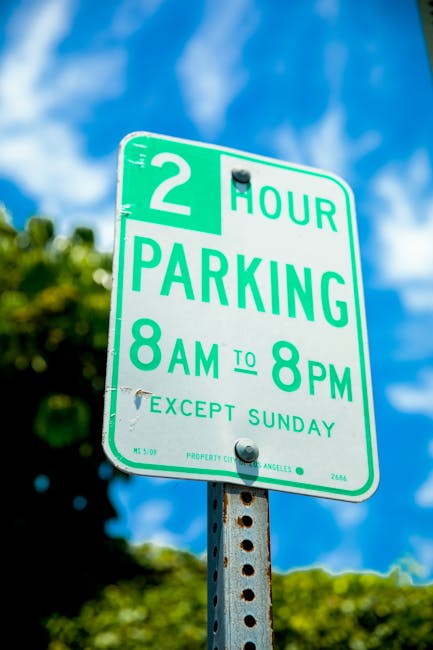
Parking Suspensions and Fines: Moving Rules in N16
Posted on 12/07/2026
If you are moving house, flat, or office in Stamford Hill, the parking side of the job can catch you out faster than the sofa. Parking suspensions, bay restrictions, and moving-day fines in N16 are the sort of issues that seem small right up until a van has nowhere to stop and a crew is unloading in the rain. This guide breaks down Parking Suspensions and Fines: Moving Rules in N16 in plain English, so you can plan properly, avoid expensive surprises, and keep the move calm from the first box to the last.
Truth be told, most moving delays in tight London streets are not caused by packing. They are caused by parking. That is why it helps to understand the local rules, the common permit pitfalls, and the practical steps that make a move run smoothly in and around Stamford Hill.
Why Parking Suspensions and Fines: Moving Rules in N16 Matters
N16 is not the easiest place to improvise on moving day. Streets can be narrow, bays can be tightly controlled, and parking enforcement does not really care that you are carrying a wardrobe upstairs. If a suspension is in place and you miss it, or if you park where loading is not allowed, the result can be a penalty, a knock-on delay, or both. And once a van driver is circling for a legal space, the whole schedule starts to wobble.
For residents moving in Stamford Hill, parking rules matter for three big reasons. First, they protect you from avoidable fines. Second, they protect your moving team from wasted time and awkward unloading from half a block away. Third, they help you keep neighbours, traffic, and access routes in better shape on a busy day. That last bit sounds minor, but on a busy terrace road it can make all the difference.
You will also notice that parking is often where hidden costs creep in. A move that looked straightforward on paper can pick up extra waiting time, additional labour, or a rescheduled slot if the vehicle cannot park near the property. If you have ever watched a mover hold a sofa in mid-air while someone searches for a legal bay, you know exactly what I mean.
In our experience, the best outcomes come from treating parking as part of the move plan, not an afterthought. That is especially true if your building has limited access, your street has timed restrictions, or your route includes awkward corners and one-way sections. For broader planning help, it can also be useful to read practical advice for a calmer house move and what often gets missed in local moving quotes.
How Parking Suspensions and Fines: Moving Rules in N16 Works
Parking suspensions are temporary restrictions placed on a parking bay or section of road. They are commonly used when access needs to be reserved for works, deliveries, removals, or other operational reasons. In a moving context, the aim is simple: create a lawful space for the removal vehicle so loading and unloading can happen without causing avoidable obstruction.
Fines usually arise when the vehicle is parked in breach of a restriction, for longer than permitted, or in a space that has been suspended and clearly marked off-limits. In some cases, the issue is not the fine itself but the disruption that follows. A driver may be forced to move on mid-job, which can mean more time on the clock and a lot more stress than anyone bargained for.
The moving rules in N16 are best understood as a combination of three layers:
- Local parking controls such as residents' bays, shared-use bays, yellow lines, and loading restrictions.
- Temporary suspensions that reserve a bay or section of road for a specific period.
- Operational common sense around access, timing, and vehicle size.
The key point is that even if your building is easy to get into, the street outside may not be. A removal van can be fully prepared and still be stalled by a poor parking decision. That is why a bit of planning matters more than people think. If you are arranging a move with heavier furniture or multiple rooms, the space around the van matters even more; useful background on handling bigger items can be found in moving heavy objects safely and the basics of kinetic lifting.
One practical detail people miss is timing. Morning restrictions, school traffic, bin collection days, and commuter flow can all affect how usable a parking space really is. A bay that looks free at 8:00 can be a headache by 8:20. A little maddening, yes. But very real.
Key Benefits and Practical Advantages
Getting parking right for a move in N16 is not just about avoiding a ticket. It gives you a cleaner, faster, and more predictable move day. That is the real win.
- Fewer delays: The crew can start loading immediately instead of searching for legal parking.
- Lower risk of fines: Clear suspension planning reduces avoidable penalties.
- Better property access: A well-positioned van shortens carrying distance and reduces strain.
- Less stress: Everyone knows where the vehicle is supposed to be, and why.
- Improved efficiency: Less walking back and forth means better use of time and labour.
There is another advantage people often forget: protecting your belongings. The shorter the carrying route, the lower the chance of damage from bumps, slips, or doorframe scrapes. If you are moving bulky items, that matters quite a lot. A parked vehicle in the right place is not just a convenience; it is part of the protection plan. For furniture-heavy jobs, furniture removals in Stamford Hill and care tips for protecting a couch are useful related reads.
On a more human level, good parking planning makes the day feel under control. You open the front door, the van is where it should be, and the job starts with a bit of momentum. That sounds small, but on moving day small things are everything.
Who This Is For and When It Makes Sense
This topic matters to anyone moving within or into N16, but some people benefit more than others. If your move involves one of the following, parking planning becomes essential rather than optional:
- flat moves on residential streets with limited kerb space
- houses with no driveway or forecourt
- student moves where turnaround time is tight
- office relocations that need early or late access windows
- large furniture, appliances, or specialist items
- same-day moves where every minute counts
If you are moving from a top-floor flat, or if the building has a narrow staircase, parking becomes part of the lift strategy too. The van needs to be close enough that the team can work safely and efficiently. For that kind of move, it is worth looking at narrow staircase removal tips for Stamford Hill roads and what to do when the staircase is too tight.
It also makes sense if you are moving items that take longer to handle, such as a piano, oversized bed frame, or fragile storage pieces. Those jobs are less forgiving. A few extra metres of carrying distance can become a genuine problem. If that sounds familiar, the planning insight from why a piano move is not a DIY task is well worth a look.
To be fair, even a small move can go sideways if parking is ignored. One box van in the wrong bay can set the tone for the whole day. Not ideal.
Step-by-Step Guidance
If you want to reduce the chance of fines and parking headaches, use a simple process. Nothing fancy. Just a methodical approach that gives you a clean result.
- Check the street layout first. Look at your exact address, not just the postcode. One side of the road may have different restrictions from the other.
- Identify the loading window. Some streets are easier at certain times of day. Morning access might be better than midday, or the other way round depending on traffic.
- Look for existing suspensions. If the bay is already suspended, note the dates and times carefully. Do not assume it is free just because no car is there.
- Plan the van position. Think about where the rear doors need to open and how far items will need to be carried.
- Build in a margin. Add time for loading, traffic, and a bit of unavoidable faff. London has a way of creating it.
- Brief everyone involved. Make sure the mover, driver, and anyone helping on the day know where the vehicle should go.
- Keep proof and notes. If you have a booking reference, permit details, or confirmation of a suspension, keep it handy.
Here is the part that saves a lot of grief: do not leave parking to the last minute because the van "should probably fit somewhere". That is how fines happen. That is how time disappears. It is a very human mistake, and a common one.
When the move includes packing delays, you can also reduce pressure by sorting boxes in advance. Good preparation in the rooms is just as helpful as a legal space outside. For that, packing properly before the move and decluttering before moving house can save surprising amounts of time.
Expert Tips for Better Results
A few practical habits make a big difference in N16. These are the things that tend to separate a smooth job from a slightly messy one.
- Scout the area at the same time of day as the move. A street that seems relaxed at 11:00 may be busy at 7:30.
- Think in terms of loading distance, not just parking distance. Ten extra metres can be fine. Fifty can be a chore.
- Use the building access point as your reference. Side entrance, rear access, lift access, main stairs - it all matters.
- Keep a spare plan. If the nearest bay is blocked, know your backup spot before the van arrives.
- Communicate with neighbours where appropriate. A brief heads-up can avoid tension if access is tight.
One little thing that helps: mark the route from van to door in your mind before the team arrives. It sounds almost too simple, but on a busy street that mental map keeps everyone moving.
If you are moving larger household items, it also helps to understand how those pieces behave in transit. A mattress, for example, is awkward in a windy lane and a pain to turn on narrow steps. Reading how to move a bed and mattress efficiently can prevent a few awkward moments. Same with white goods; safe freezer storage tips and what to do when a freezer is out of service are surprisingly relevant if your move includes temporary storage.

Common Mistakes to Avoid
Most parking problems during moves are avoidable. The same mistakes come up again and again, and once you know them, they are easier to sidestep.
- Assuming a bay is usable because it looks empty. Empty does not mean legal.
- Ignoring timed restrictions. A space may be available only after a certain hour, or not before one.
- Booking the move without checking access. Great way to create chaos, really.
- Forgetting that a suspension can affect more than one vehicle. Vans, cars, and even waiting vehicles may all be impacted.
- Not allowing time for loading bays or street congestion. Even a short hold-up can snowball.
- Leaving bulky clear-outs until move day. If you still have rubbish or unwanted furniture, it can block access.
That last point is a common one in flats and shared buildings. If you are getting rid of old items at the same time as moving, sort that separately if possible. The difference between "move day" and "clear-out day" can be the difference between order and a slight mess. For extra help, see bulky waste removal options in Stamford Hill and cleaning your house before moving out.
Also, don't assume a quick five-minute stop is always harmless. Enforcement windows can be tighter than people expect. One tiny pause becomes a very unfunny ticket. There, I said it.
Tools, Resources and Recommendations
You do not need specialist software to manage parking for a move, but you do need a few practical tools and habits. The best setup is usually simple:
- a clear written move plan with timings
- confirmation of any parking suspension or access arrangement
- photos of the street, bay signage, and property frontage
- contact details for the driver and key person at the property
- a backup route if the first parking option falls through
It also helps to keep your moving materials organised. If all the boxes, labels, and protective wrap are ready, the vehicle can be unloaded faster once it arrives. That matters because the less time the van spends on-street, the lower the risk of parking issues. For preparation support, packing guidance and packing supplies in Stamford Hill are useful starting points.
When moves involve more fragile or high-value items, the right planning also includes how those items will be handled once the van is parked. A slightly better unloading position can reduce lift angles, improve safety, and make the whole move feel less rushed. If you want to understand the physical side a bit better, the basics of kinetic lifting is a sensible read.
Law, Compliance, Standards, or Best Practice
Parking suspensions and fines sit within broader local parking control and civil enforcement practices in the UK. In practical terms, that means you should treat signage, bay markings, and temporary restrictions as mandatory, not advisory. If a suspension notice is in force, you should assume the area is unavailable unless you have clear confirmation that your use is permitted.
Best practice is straightforward: keep evidence of any approved access arrangement, follow the exact time window you have been given, and avoid blocking neighbouring properties or emergency access. Even where a move is legitimate, poor parking can still create complaints, delays, or enforcement action if the vehicle is obstructive.
If your move involves a private block, managed estate, or building with access rules, those may sit alongside public parking controls. The stricter rule usually wins on the day. That is one reason it is wise to read building notes carefully and not rely on memory. I know, not exactly thrilling evening reading, but it saves money.
For a local moving job, good compliance also means thinking about safety. A van parked too far from the entrance can force longer carries and less controlled lifts, which increases risk for both movers and residents. If you are planning a more complex job, it may help to review the company's health and safety approach and how safety and insurance are handled before the day arrives.
Options, Methods, or Comparison Table
There are usually three ways people handle parking for a move in N16. Each has pros and trade-offs, and the right choice depends on the street, the size of the move, and how much risk you are willing to absorb.
| Method | Best for | Pros | Watch-outs |
|---|---|---|---|
| Use an existing legal bay | Small to medium moves on calmer streets | No extra setup, straightforward if the bay is genuinely legal | Can be taken by another vehicle, may still be far from the property |
| Arrange a parking suspension | Moves needing guaranteed access right outside the property | Reduces uncertainty, supports faster loading | Needs planning, timing accuracy, and proper confirmation |
| Use a remote legal parking spot | Backup plans when direct access is impossible | Flexible, sometimes the only realistic option | Longer carry distance, more time, more labour, greater strain |
In a perfect world, everyone would get the bay right outside the door. In the real world, a good backup plan often matters just as much as the first plan. The most effective choice is usually the one that balances legality, access, and time, not just convenience.
Case Study or Real-World Example
Here is a realistic example from a typical Stamford Hill move. A couple were leaving a first-floor flat with a shared front entrance and no driveway. They assumed the van could stop near the door because another vehicle had been there earlier that morning. It was a fair assumption, but not a safe one.
On the day, the first likely parking spot was already occupied. The second looked usable, but the signage indicated a timed restriction. Instead of forcing the issue, the team used a legal spot a short distance away and adjusted the loading plan. It meant a slightly longer carry, but the job stayed compliant and no fine was issued. The move was completed, just not quite as quickly as everyone hoped.
The lesson was simple. The parking plan had to be checked against the exact time of the move, not the memory of what the street looked like the day before. A small change in timing would have made all the difference. It is one of those annoyingly ordinary lessons that saves a lot of trouble.
In another job nearby, a last-minute furniture clear-out nearly blocked the front path. Once a couple of bulky items were removed in advance, the van could park closer and the moving crew worked much more safely. That sort of thing comes up a lot. If you are tackling a mixed move with storage or a larger van, storage in Stamford Hill and choosing the right removal van are worth considering too.
Practical Checklist
Use this checklist before moving day. It is simple, but simple is good here.
- Confirm the exact moving date and time.
- Check whether any parking suspension applies to your street or bay.
- Look at access from the van to the front door.
- Identify loading restrictions and time limits.
- Plan a backup parking option.
- Keep the mover informed of any building or estate rules.
- Prepare boxes and fragile items before the van arrives.
- Remove unwanted items that could block the route.
- Have confirmation details ready in case parking is questioned.
- Allow extra time for delays, traffic, or access issues.
If you are still at the planning stage, it can help to review move type pages such as house removals in Stamford Hill, flat removals in Stamford Hill, or same-day removals in Stamford Hill depending on how urgent things are.
Conclusion
Parking suspensions and fines are not the glamorous part of moving, but they can decide whether your N16 move feels organised or chaotic. If you understand the rules, check the street properly, and build a sensible parking plan into the job, you massively reduce the chance of fines and delays. That is the core idea.
Think of it as protecting the whole move from the outside in. Packing matters, lifting matters, route planning matters - but so does the space where the van stands. Get that right and everything else has more room to breathe.
Get a free quote today and see how much you can save.
And if you are moving in Stamford Hill soon, don't overthink every detail alone. A steady plan, a lawful parking spot, and a calm start can make the day feel much lighter than you expected. Small win, but a real one.