Clissold Park Area Removals: Best Routes and Parking
Posted on 14/05/2026
Moving around Clissold Park can feel straightforward on a map, then suddenly become a lot more complicated the moment you meet a narrow residential street, a busy school run, or a parking bay that looks available until you notice the restrictions. That is exactly why Clissold Park Area Removals: Best Routes and Parking deserves proper planning. The right route saves time. The right parking plan saves stress. And both can make the difference between a calm move and a day full of small, annoying delays.
Whether you are moving a flat near the park, handling a family house move, or arranging a van for a same-day collection, the local road layout matters. In this guide, we will walk through the best practical routes, parking considerations, timing tips, and the small local details that people often overlook. If you want a smoother move, this is the stuff that genuinely helps.
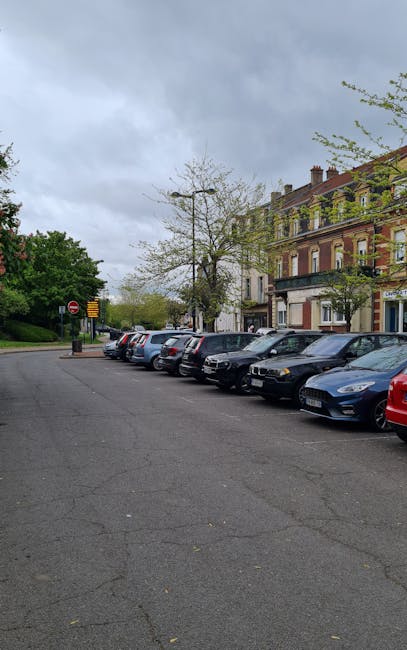
Why Clissold Park Area Removals: Best Routes and Parking Matters
Clissold Park sits in a part of London where roads are often busy, parking is limited, and access can shift quickly depending on the time of day. That is not unusual for inner London, of course, but for removals it changes everything. A van that cannot pull up close to the property means more carrying, more time, and more risk of damage. A route that looks fine on paper can turn awkward if it funnels you into traffic around school start times or local congestion.
Parking is not just a convenience issue. It affects loading distance, safety, your schedule, and how many trips your team has to make. If you are moving heavier items, the difference between a pavement-level load and a long carry from around the corner is huge. One extra turn of a stairwell or one blocked bay can add real friction. Not dramatic, but enough to slow the whole day down.
For anyone booking a professional move, route and parking planning is part of the service quality. It is also one of the clearest signs that a mover understands the area properly. That local knowledge can be especially useful if you are comparing removal services in Stamford Hill or looking at a more flexible man and van option for a smaller job.
How Clissold Park Area Removals: Best Routes and Parking Works
At a practical level, the process is simple: you choose a route that avoids unnecessary bottlenecks, identify a realistic stopping point near the property, and check whether the vehicle can legally and safely wait there. In real life, though, that takes a bit of judgement. The best route is not always the fastest route on a navigation app. And the best parking spot is not always the nearest one, especially if access is awkward or the bay is too tight for a removal van.
Most local moves around Clissold Park work best when you plan in three layers:
- Approach route: how the van reaches the street without getting trapped by traffic, closures, or low-signal mapping errors.
- Loading position: where the van can safely stop for handball loading, either in a bay, a controlled stop, or a short waiting arrangement.
- Exit route: how you leave the area once everything is loaded, ideally without doubling back through the busiest section.
For larger homes or full-property moves, a company may bring a bigger vehicle and plan access carefully in advance. For flats, a smaller van or a more nimble team can sometimes be the smarter choice. That is one reason people often compare flat removals in Stamford Hill with a general house removals service; the access strategy is often different even when the postcode is close.
If you are preparing for a move with lots of boxes, furniture, or specialist items, the route discussion should happen before moving day, not on the kerb while everyone is already lifting. Truth be told, that is where delays usually begin.
Key Benefits and Practical Advantages
Getting the route and parking right is not just about efficiency. It changes the whole feel of the day. Here are the main benefits.
- Less carrying distance: shorter walks from door to van reduce fatigue and lower the chance of knocks or drops.
- Better timing: fewer stops and fewer awkward manoeuvres means the move stays closer to schedule.
- Improved safety: moving furniture across a shorter, clearer path is safer for both people and property.
- Lower stress: if the van is positioned well, everything feels more controlled. Small thing, big difference.
- Reduced risk of parking issues: planning ahead helps avoid fines, arguments with neighbours, or last-minute repositioning.
- Cleaner workflow: loading can happen in a more organised sequence, which matters when you are handling fragile or bulky items.
That last point is underrated. A neat loading setup means the heavy sofa does not end up blocking the boxes of lamps and kitchenware. It sounds obvious, but on a wet London morning, with everyone trying to move quickly, obvious things get missed. You know how it goes.
For people trying to keep moving costs under control, efficient parking and route planning can also support a better quote. A team that does not spend ten minutes circling the block is usually a team that can work more predictably. If you are budgeting, it is worth looking at pricing and quote options early so there are fewer surprises later.
Who This Is For and When It Makes Sense
This kind of planning makes sense for almost anyone moving in or around the Clissold Park area, but it is especially useful in a few situations:
- Flat moves: where road access and stair carry distance can be just as important as the van size.
- Family house moves: where furniture volume makes parking and loading time more sensitive.
- Student moves: often smaller, often time-limited, and usually done with a very small margin for error.
- Office or small business moves: where timing matters because you may need to avoid disrupting work hours.
- Heavy-item moves: pianos, beds, couches, freezers, and wardrobes all benefit from a short, planned carry route.
It also makes sense if you are moving at a busy time of year, on a weekend, or close to the school run. The area can feel tighter then. More people on the pavement, more cars stopping and starting, and more pressure on curb space. Not ideal. But manageable, if you plan properly.
If your move involves a specialist item, it is worth reading more about why piano moving is rarely a DIY job and checking the practical advice on piano removals in Stamford Hill. Those items often dictate the parking plan more than the boxes do.
Step-by-Step Guidance
Here is a simple, real-world way to plan a move near Clissold Park without overcomplicating it.
- Walk the property access first. Check the front door, hallway, stairs, lift access if there is one, and any tight turning points. Look at where a sofa or mattress would actually need to pivot.
- Check the road layout. Identify the main access streets, one-way sections, junctions, and any places where a van would struggle to turn or stop safely.
- Work out the parking window. Decide whether you need a short loading stop, a full bay, or a timed arrangement. If you are not sure, assume you will need more room than you first think.
- Match the van size to the access. A bigger van is not always better if the street is tight. Sometimes a smaller vehicle or a shuttle approach is far more practical.
- Pack in a loading order. Heavy and awkward items first, then sturdy furniture, then boxes and fragile items. The sequence matters more than people expect.
- Protect high-risk items. Use blankets, covers, straps, and proper wrapping before anything leaves the building. If you are moving a couch, for example, check out tips for protecting a couch in storage because the same wrapping logic helps during transport.
- Leave a buffer. Give yourself some breathing space for traffic, parking changes, or a neighbour blocking the access point with a quick stop. It happens.
A small but helpful habit: keep doors open only when needed, and have one person act as the point of communication near the van. That stops confusion and avoids people carrying in different directions like a loose flock. Honestly, it is one of those tiny things that makes everything feel calmer.
For preparation on the packing side, the guide to packing for your next move is worth a look, especially if you want to reduce breakages and keep the loading process tidy.
Expert Tips for Better Results
After many local moves, a few patterns show up again and again. The moves that go best are the ones where the practical details are handled early, not the ones where everyone just hopes the street will cooperate.
- Avoid peak school-run pressure if you can. Streets near parks and family housing often get noticeably busier at set times, especially around the morning rush.
- Measure bulky furniture before moving day. A bed frame or wardrobe can be fine in theory, then awkward at the doorway. Measuring avoids guesswork.
- Protect the floor as well as the furniture. Wet shoes, dragging feet, and heavy legs can do more damage than people realise, particularly on polished or laminated flooring.
- Keep a spare parking plan. If the first spot is taken, know where the next best legal stopping point is. Two options is better than one.
- Use the right lifting technique. Good lifting is not about brute strength; it is about balance, posture, and a steady pace. If you want a plain-English refresher, see the basics of kinetic lifting.
- Do not underestimate mattresses and beds. They look soft and simple, then somehow become the most awkward thing in the hallway. If that sounds familiar, this bed and mattress moving guide is genuinely useful.
One more thing: if you are tempted to move a very heavy object alone because "it will only take a minute," pause for a second. A minute can turn into a strained back, a damaged wall, or a dent in the staircase. Not worth it. The advice in lifting heavy objects safely covers the basics without making a fuss about it.
If storage is part of the move, either because you are downsizing or waiting for keys, it helps to plan ahead. A clean, dry, accessible storage plan can save a lot of last-minute panic. That is why many customers also look at storage in Stamford Hill alongside their move.

Common Mistakes to Avoid
Some mistakes are small on their own, but together they create a messy moving day. The good news is they are all avoidable.
- Assuming a parking space will be available. In reality, nearby residents, tradespeople, deliveries, and school traffic can fill the road quickly.
- Using a navigation app without checking local access. Apps are useful, but they do not always understand loading constraints, turn radius, or the best side of the street for parking.
- Leaving packing until the last minute. That leads to loose items, rushed labelling, and a van that is harder to organise.
- Booking the wrong vehicle size. Too small and you make repeat journeys. Too large and the street may not suit it.
- Ignoring furniture disassembly. A few minutes with tools can make a huge difference to access, especially with beds, wardrobes, and desks.
- Forgetting cleaning and handover tasks. If you are leaving a property, the final checks matter. This is where cleaning before moving out comes in handy.
There is also a habit people fall into of trying to "make it work" in a bad parking spot rather than resetting. Sometimes that is fine. But if the van is half a street away and the carry is unsafe, it is better to pause and re-plan. Slight delay now, much better day overall. Easy choice, really.
Tools, Resources and Recommendations
You do not need a huge kit to handle a local move well, but a few practical tools make life easier:
- Furniture blankets and covers: for protecting upholstery, wood, and painted surfaces.
- Ratchet straps or tie-downs: useful for keeping items steady in transit.
- Sturdy boxes and tape: boring, yes, but absolutely essential.
- Dollies or sack trolleys: helpful for heavier loads where the route allows safe use.
- Protective gloves: for grip and hand safety during loading.
- Floor coverings: a smart choice if rain is in the air or the building has delicate flooring.
If you are still gathering supplies, the page on packing and boxes in Stamford Hill is a practical next step. It helps with the less glamorous side of the move, which is usually the part that saves you the most time later.
For people arranging a wider service package, it can also help to review the services overview. That gives a clearer picture of what is available, especially if your move includes loading help, transport only, or a more tailored plan. And if you prefer a smaller, flexible vehicle, a removal van service may suit the job better than a larger setup.
Law, Compliance, Standards, or Best Practice
For removals in London, the main compliance issues are usually practical rather than complicated: parking rules, loading restrictions, safe lifting, road safety, and property access. Exact rules can vary by street and by local authority, so it is always sensible to check the specific area before moving day. Do not assume a short stop is automatically fine just because it feels temporary.
Good best practice usually includes:
- Parking only where permitted and not blocking driveways, crossings, or emergency access.
- Using safe loading methods so items are not carried in a way that risks injury or damage.
- Checking building access rules if you live in a managed block, converted property, or shared house.
- Confirming insurance and liability expectations before anything is lifted or loaded.
- Respecting neighbours and pedestrians by keeping access clear where possible.
If you want reassurance around standards and duty of care, it is worth reading the company's health and safety policy and insurance and safety information. Those pages help show how a professional mover thinks about risk, not just how fast they can get a van on the road.
For some moves, especially office work or moves with equipment, health and access planning may matter as much as the transport itself. That is why local knowledge and clear process matter. It is not glamorous, but it is what keeps the day running smoothly.
Options, Methods, or Comparison Table
Different move types around Clissold Park call for different approaches. Here is a simple comparison to help you decide what is likely to work best.
| Method | Best for | Parking needs | Strengths | Watch-outs |
|---|---|---|---|---|
| Man and van | Smaller flats, partial loads, student moves | Flexible, often easier to position | Quick, practical, usually cost-effective | May require multiple trips if overloaded |
| Full removal van | House moves, larger family loads, fuller schedules | Needs more space and a clearer loading plan | Efficient for larger volumes | Can be harder to place on tight streets |
| Specialist item move | Pianos, heavy furniture, delicate equipment | Needs the closest safe legal stopping point | Better protection and handling | May require extra planning and equipment |
| Same-day removal | Urgent moves or short-notice changes | Parking must be arranged very carefully | Fast response when time is tight | Less room for error if access is poor |
If you are moving on short notice, it can be helpful to look at same-day removals in Stamford Hill. Those jobs often live or die on access planning, so parking matters even more than usual.
Case Study or Real-World Example
A recent local move near Clissold Park involved a one-bedroom flat with a sofa, mattress, dining table, and about thirty boxes. On paper, it looked simple. In reality, the street was busy early in the morning, and the first parking idea was blocked by resident vehicles. Rather than force the issue, the team shifted the schedule by a short window and used a safer stopping point a little further along the road.
That small adjustment meant the sofa could be carried without twisting through a tight corner near a parked car, and the mattress did not have to be dragged across a wet pavement. The move still took the morning, but it stayed calm. No drama, no rushed lifting, no frazzled customer standing at the doorway with a half-packed kettle.
What made it work?
- The van route was checked in advance, not guessed on arrival.
- The parking plan had a backup location.
- Bulky items were wrapped and loaded first.
- The team used a clear carry path instead of trying to squeeze past obstacles.
It was not a flashy move. It was just a well-planned one. And to be fair, that is usually what people really want.
Practical Checklist
Use this checklist before moving day if you want a more predictable result.
- Confirm the exact move address and any access notes.
- Check whether the property is a flat, house, or managed building.
- Measure large items and note anything awkward or fragile.
- Decide where the van can safely stop for loading.
- Identify a backup parking plan in case the first spot is taken.
- Prepare packing materials, blankets, and straps.
- Label boxes clearly by room and priority.
- Disassemble bulky furniture where sensible.
- Check timing around traffic, school runs, and local busy periods.
- Keep contact details handy for the move lead and the property contact.
- Review insurance and safety expectations before lifting starts.
- Make sure you have keys, entry codes, or building instructions ready.
Expert summary: In the Clissold Park area, the most successful removals usually come down to three things: realistic parking, a sensible route, and a loading plan that respects the shape of the street. Get those right, and the rest becomes much easier.
If you are still in the planning stage, it may also help to read a broader guide like how to make a house move less stressful or decluttering before moving house. Both can make the actual moving day feel a lot lighter.
Conclusion
Clissold Park area removals are much easier when route planning and parking are treated as part of the move, not an afterthought. The streets may be manageable, but they still reward preparation. A sensible approach saves carrying distance, reduces the risk of damage, and helps the whole day feel more organised from the first box to the last chair.
If you are moving locally, keep things practical: choose the right vehicle, allow extra time, and build in a parking backup. That is often the difference between a move that feels frantic and one that feels under control. And honestly, under control is what everyone wants on moving day.
Get a free quote today and see how much you can save.
Whether you are moving a single flat, a family home, or a few awkward pieces that need careful handling, the right local plan can take a surprising amount of pressure off your shoulders. One good decision at the start makes the rest feel easier. Simple as that.