Controlled Waste Rules for Stamford Hill Flats Explained
Posted on 29/07/2026
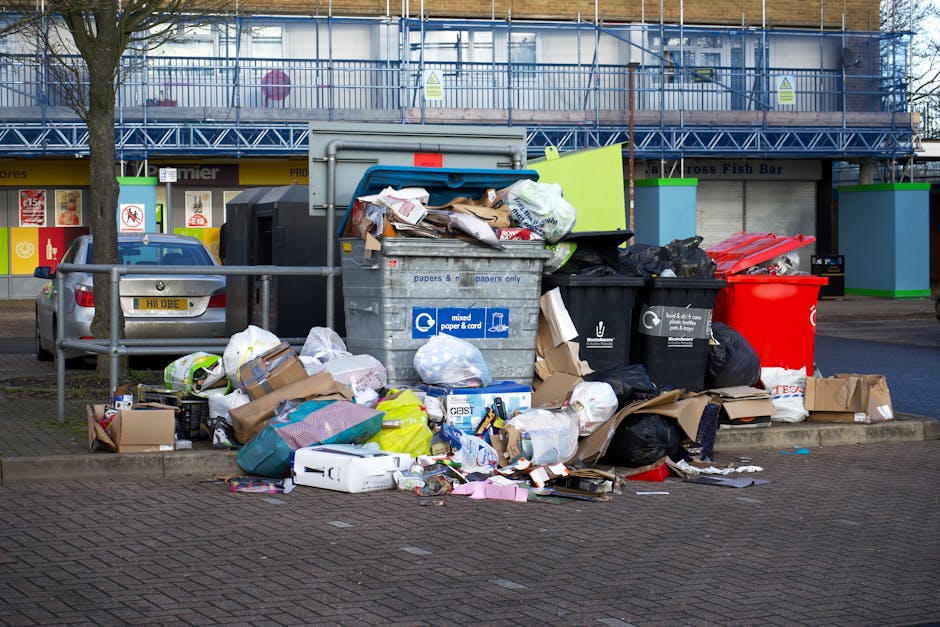
Living in a Stamford Hill flat means space is tight, stairwells can be awkward, and waste piles up faster than you expect. A broken chair, old mattress, cardboard from a move, or a bag of mixed rubbish can turn into a real headache if you are not sure what counts as controlled waste, who is responsible, and how it should be stored, sorted, and removed. This guide to Controlled Waste Rules for Stamford Hill Flats Explained breaks the subject down in plain English, with a focus on the day-to-day realities of flat living in N16. If you are decluttering before a move, clearing a rental, or just trying to stay on the right side of building rules, you will find practical steps, common mistakes, and sensible next actions here.
To make things even more useful, we will also touch on the real-world bits people often miss: shared hallways, bin store access, bulky items, and how waste handling can overlap with moving day. Truth be told, that overlap is where people get caught out.
Why Controlled Waste Rules for Stamford Hill Flats Explained Matters
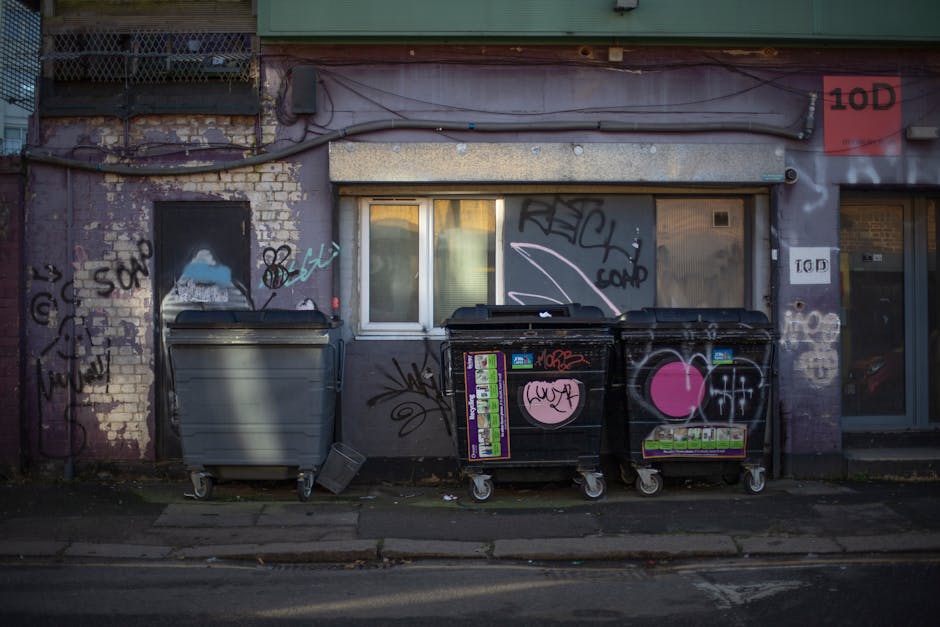
Controlled waste rules matter because flat living changes the risk profile. In a house, you might roll a bin to the front. In a flat, you may be dealing with a shared entrance, a communal bin area, limited storage, neighbours passing through, and a building manager who does not want rubbish left in the corridor for even ten minutes. That is before you get to the practical issue of getting items out safely.
When waste is left in the wrong place, it can block access, attract pests, create smells, and cause friction with neighbours. In an enclosed stairwell, even a couple of bin bags can make the place feel cramped and messy. A mattress leaning in a hallway after 7pm? Not ideal. And if you are moving out, poor waste handling can complicate final inspections and deposit returns.
There is also a simple legal and environmental angle. Waste does not disappear just because it is inconvenient. It needs to be stored, separated, moved, and handed over responsibly. That includes the items people often forget about: old shelving, damaged furniture, electronics, broken blinds, peeling carpet underlay, and heavy bits of flat-pack that somehow multiplied in the cupboard under the stairs. If you are already planning a move, our guide to decluttering before a house move is a good companion piece.
Key point: in Stamford Hill flats, controlled waste rules are not just about bins. They are about timing, access, sorting, safety, and making sure communal living stays manageable for everyone involved.
How Controlled Waste Rules for Stamford Hill Flats Explained Works
At a practical level, controlled waste handling means your waste should be kept under control from the moment it is created until the moment it is collected or taken away. That sounds obvious, but in a flat it has a few moving parts.
First, there is the type of waste. General household waste, food waste, recycling, bulky items, electricals, and renovation debris are treated differently in normal practice. Secondly, there is the location. In a flat, storage often has to happen inside a small kitchen, a hallway cupboard, a balcony, or a bin store. Thirdly, there is access: lifts, narrow stairs, controlled entry doors, parking outside, and the time your building allows items to be moved.
In our experience, the process usually works best when you think in stages:
- Sort the waste early so recyclables, reusables, and true rubbish do not get mixed together.
- Check your building rules on bin storage, collection points, and bulky item placement.
- Package items properly so loose debris, sharp edges, and leaks are not a problem in shared areas.
- Use the right removal method for the amount and type of waste you have.
- Hand over waste responsibly rather than leaving it by the bins and hoping for the best.
This is also where moving day planning becomes useful. A lot of waste is created during a move, and packing is often the difference between a tidy exit and a chaotic one. If you want a hand with the earlier stages of preparation, see packing properly for your next move and stress-free moving advice.
One small but important detail: flats often make people underestimate volume. A single wardrobe, two beds, and a week of cardboard can suddenly fill a room. Then the corridor starts looking like a mini storage unit, which nobody wants. Not even a little bit.
Key Benefits and Practical Advantages
Following controlled waste rules properly is not just about avoiding trouble. It makes life easier, cleaner, and usually cheaper in the long run.
- Cleaner communal spaces: bins, hallways, and entrance areas stay usable for everyone.
- Less risk of complaints: neighbours and building managers are less likely to object when waste is handled neatly and promptly.
- Lower chance of damage: well-packed waste is less likely to scratch walls, block exits, or leak in shared areas.
- Better move-out results: if you are leaving a rented flat, keeping waste under control helps the property look cared for.
- Smarter recycling: separating items properly makes reuse and recycling more realistic.
- Safer lifting and carrying: smaller, sorted loads are easier to manage, especially on stairs.
There is also a subtle advantage people do not always mention: it reduces decision fatigue. Once you know what goes where, you stop second-guessing every bag, box, and old chair. That little bit of clarity matters, especially when you are juggling keys, deadlines, and a removal van outside. If the heavier items are part of the picture, our article on lifting heavy objects safely and the guide to kinetic lifting basics are worth a look.
Practical advantage in one line: good waste control turns a messy flat into a manageable project.
Who This Is For and When It Makes Sense
This guide is for anyone living in a Stamford Hill flat who needs to handle waste sensibly. That includes tenants, leaseholders, landlords, students, sharers, and people preparing for a handover. It also makes sense if you are helping a parent, sibling, or neighbour clear a flat and you have ended up being the unofficial organiser. Happens all the time.
It is especially useful in these situations:
- Before moving out, when you need to strip the flat back to essentials.
- After a delivery, when packaging and broken-down cardboard pile up quickly.
- During a declutter, when old furniture, clothes, and odds and ends need different disposal routes.
- After replacing appliances, because fridges, freezers, and microwaves often require special handling or collection.
- When storage is limited, because flats rarely have a spare room for "things to deal with later".
For student households especially, waste control can be a surprise issue. One room fills with bags, another with boxes, and then no one wants to be the person who takes the old desk chair downstairs. If that sounds familiar, a look at student removals in Stamford Hill may help connect the waste-clearance side with the moving side.
It also makes sense for landlords and agents who want turnover to happen cleanly. A flat that has been left with loose waste around the bin area tends to create more delays than people expect.
Step-by-Step Guidance
Here is the simplest way to approach controlled waste in a Stamford Hill flat without overcomplicating it.
- Walk the flat and identify everything to remove. Start with the obvious items, then check cupboards, under beds, behind furniture, and the top of wardrobes. Those hidden spots are where clutter goes to hide.
- Separate waste into clear groups. Keep recycling, general rubbish, reusable items, and bulky waste apart from the start. Do not mix clean cardboard with food waste. That just creates a soggy mess, and nobody enjoys that smell.
- Identify anything that needs special handling. Examples include fridges, freezers, TVs, mattresses, painted wood, sharp metal, and anything with electrical components.
- Check access and timing. Can items be moved through the front door? Is there a lift? Are there quiet hours? Can the bin store be used at the time you need?
- Break down what can safely be dismantled. Flat-pack furniture and large boxes are usually easier to handle once reduced in size. If you need a refresh on disassembly and packing, see moving beds and mattresses efficiently and cleaning before moving out.
- Bag, box, and label properly. Clear labels help if someone else is helping you, or if the removal team needs to know what is being kept, donated, or discarded.
- Move items in the safest order. Take lighter, awkward items first and leave the heavy or bulky pieces for a planned lift.
- Use the correct collection or disposal route. Recyclables go one way, reusable items another, and bulky waste or appliance disposal needs the right process.
If you are combining this with a flat move, it is often worth planning the waste run before the actual removal day. That way, the move-out pile does not swallow your hallway on the final evening. It sounds obvious, but a lot of people only realise this at 8:30pm with tape stuck to their hands.
Expert Tips for Better Results
Small habits make a big difference here. A tidy waste plan does not need to be fancy; it just needs to be consistent.
- Start two weeks early if you can. Even a little daily sorting reduces last-minute stress.
- Keep one "decision box". Put uncertain items there and revisit them later rather than letting them slow everything down.
- Flatten cardboard immediately. Cardboard eats space very quickly in flats.
- Protect shared surfaces. If you need to carry items through halls, use blankets or wraps to stop scuffs.
- Choose one staging point. Do not create three different waste piles in three different rooms. That becomes chaos with a side of regret.
- Think about smell and spill risk. Food waste should be bagged securely and not left while you wait for collection day.
- Match lifting to the item. Use a proper technique, and if a piece is too awkward, ask for help. There is no prize for heroics.
Where bulky items are involved, it can be helpful to compare your options rather than forcing a one-size-fits-all solution. For example, a sofa, a mattress, and a broken freezer each create different headaches. Our guides on couch storage and protection, storing a freezer when it is not in use, and freezer storage when it is out of service can help if you are deciding whether to keep, store, or remove.
One more thing: if your flat has narrow stairs, don't underestimate the turn at the landing. That is where items love to catch, wobble, or scrape. A calm pause there is better than a rushed shove. Always.
Common Mistakes to Avoid
The biggest mistakes are usually not dramatic. They are just small things repeated until they become a problem.
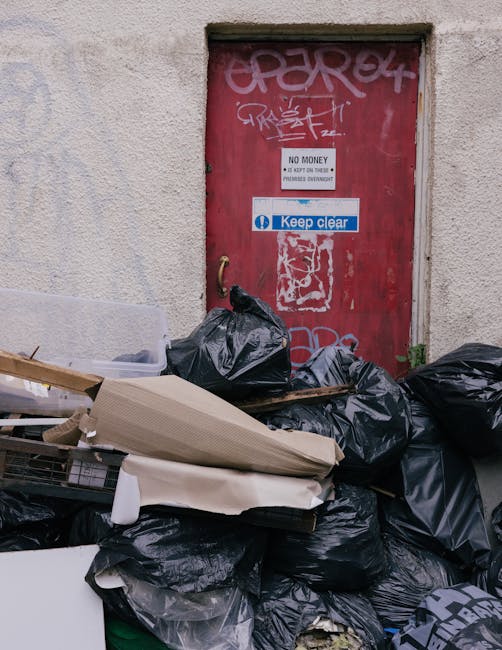
- Leaving waste in corridors "just for a minute". In a shared building, that minute can turn into a complaint.
- Mixing wet and dry waste. It makes sorting harder and can make recycling unusable.
- Assuming bulky items can go anywhere. Mattresses, white goods, and furniture often need special collection or transport.
- Forgetting access restrictions. A collection plan that ignores lift size, stair width, or parking conditions is usually a bad plan.
- Overfilling bags. Heavy bags split, and then you are sweeping bits off the hallway floor. Not fun.
- Waiting until the last day. That is how good intentions become late-night panic.
- Assuming someone else will sort it out. In flats, shared responsibility can quickly become no responsibility.
There is also the common moving-day mistake of forgetting that waste and transport are connected. If you need a van, a helper, or a timed collection, it helps to keep the logistics simple. A useful starting point is our services overview and the related guidance on hidden costs in local quotes, because waste handling can affect the final price more than people expect.
Tools, Resources and Recommendations
You do not need a warehouse of equipment to manage flat waste well. A few practical tools are usually enough.
- Strong refuse sacks for general waste and soft items.
- Sturdy boxes for clean recyclables, books, or dismantled small items.
- Tape and labels so nothing gets mixed by accident.
- Gloves for awkward, dusty, or sharp-edged items.
- Blankets or wraps to protect walls and furniture while carrying items out.
- Hand trolley or sack truck if your route and stair access allow it.
- Cleaning supplies for the final sweep once waste has gone.
For people who are moving rather than just clearing out, the right packing materials and storage approach also matter. See packing and boxes in Stamford Hill and storage options in Stamford Hill if you are trying to decide what to keep out of the main move.
Useful rule of thumb: if an item is awkward to carry, messy to contain, or likely to damage a wall, it deserves its own plan.
Law, Compliance, Standards, or Best Practice
Waste handling in the UK is governed by general duties around responsible disposal, safe handling, and avoiding fly-tipping. For flats, the practical takeaway is straightforward: do not leave waste where it obstructs shared spaces, and do not hand it to someone unless you are confident they will deal with it properly.
Best practice usually means three things. First, keep waste secure and separated. Second, follow building rules and local collection arrangements. Third, use a legitimate and traceable removal route for anything beyond ordinary household rubbish. If you are using a removal company, it is reasonable to ask how bulky waste will be handled and whether recycling is part of their process. That is not being awkward. That is being sensible.
Safety is part of compliance too. Heavy lifting, sharp edges, and poorly packed items can injure you or damage communal property. If you are unsure whether a job is safe to handle alone, it is better to pause and get proper help. The same goes for moves involving difficult access. Our health and safety policy and insurance and safety guidance are relevant if you want to understand how a careful removals process should be approached.
If your building is strict about access, parking, or timing, planning matters even more. A tidy waste run that fits the building's rhythm is usually far smoother than a rushed weekend clear-out. And yes, the neighbours will notice the difference.
Options, Methods, or Comparison Table
When dealing with controlled waste in a Stamford Hill flat, you usually have a few practical options. The right one depends on volume, item type, time pressure, and access. Here is a simple comparison.
| Method | Best for | Pros | Limitations |
|---|---|---|---|
| Standard bin use | Small household waste and routine recycling | Simple, familiar, low effort | Not suitable for bulky items or overfilled bags |
| Staged flat clearance | Decluttering before a move or tenancy end | Easy to organise, reduces last-minute stress | Needs a little planning and space |
| Bulky item removal | Furniture, mattresses, large broken items | Handles awkward loads, saves stair damage | Needs scheduling and correct handling |
| Removal service support | Mixed waste during a full or partial move | Convenient, less lifting, better for tight access | Costs more than doing everything yourself |
| Storage first, sort later | Items you may keep but do not want in the flat | Buys time and keeps the flat clear | Only useful if the item is worth keeping |
For many flat moves, the smartest answer is a mixture: sort what can go straight out, store what is genuinely worth keeping, and schedule proper removal for the bulky remainder. If you are weighing up transport as part of the process, the pages on man and van in Stamford Hill and removal van options may be helpful alongside your waste plan.
Case Study or Real-World Example
A typical Stamford Hill flat clearance might start with what looks like a simple job: a tenant is moving out of a two-bedroom flat and has a sofa, a mattress, a broken desk, several bags of old clothes, and a mountain of cardboard from new furniture deliveries. On paper, not huge. In practice, it is all in different categories, and the building has a narrow entrance with stairs that turn sharply at the first landing.
The sensible approach would be to sort the flat into clear groups early in the week. Cardboard gets flattened and tied. Clothes go into donation or keep bags. The desk is dismantled if possible. The mattress is planned for separate removal. The sofa is assessed for route and protection. Waste is then moved in stages rather than piled near the front door.
That matters because the first mistake people make is treating the whole pile as one thing. It isn't one thing. It is several things, each with its own handling needs. In a real move, that distinction saves time and, frankly, a few nerves. One tenant told us the hallway looked calmer almost immediately once the cardboard was flattened. Small win, but a real one.
In a case like this, combining sensible sorting with local removals support can make the day much easier. If you need to move out quickly, the guide to same-day removals in Stamford Hill and the article on urgent same-day moves are useful next reads.
Practical Checklist
Use this checklist before you start moving waste out of a Stamford Hill flat:
- Sort waste into general, recycling, reusable, bulky, and special-handling groups.
- Check building rules for bin areas, quiet hours, and shared access.
- Flatten cardboard and remove sharp edges where safe.
- Bag loose waste securely and do not overload sacks.
- Set aside bulky items for separate handling.
- Protect walls, lifts, and stair rails before carrying items out.
- Confirm parking and access if a van or external collection is involved.
- Keep liquids, food waste, and electrical items apart from dry recyclables.
- Take one final sweep of cupboards, balcony space, and behind furniture.
- Clean the route once the waste is out so the flat feels fully finished.
If you are doing the clear-out alongside a move, it also helps to review your wider relocation plan. The posts on flat-moving checklists for N16, narrow staircase removal tips, and solutions for tight staircases are especially relevant when access is awkward.
Conclusion
Controlled waste in Stamford Hill flats is mostly about clarity. Once you know what you have, where it should go, and how it needs to move, the whole task becomes much more manageable. The best results usually come from early sorting, careful packing, realistic lifting, and a plan that respects shared spaces. Nothing fancy. Just steady, practical organisation.
That approach saves time, reduces stress, and makes life easier for everyone in the building. It also fits nicely with a thoughtful move-out or decluttering plan, which is where most people in flats need the help anyway. If you take one thing from this guide, let it be this: do the waste plan before the mess grows teeth.
Get a free quote today and see how much you can save.
And if the job still feels a bit too much, that is fine too. Flat living in Stamford Hill can be a squeeze, but with the right plan, it does not have to be a scramble.